 info@cloudbriktech.com
 +91 790 3021 950


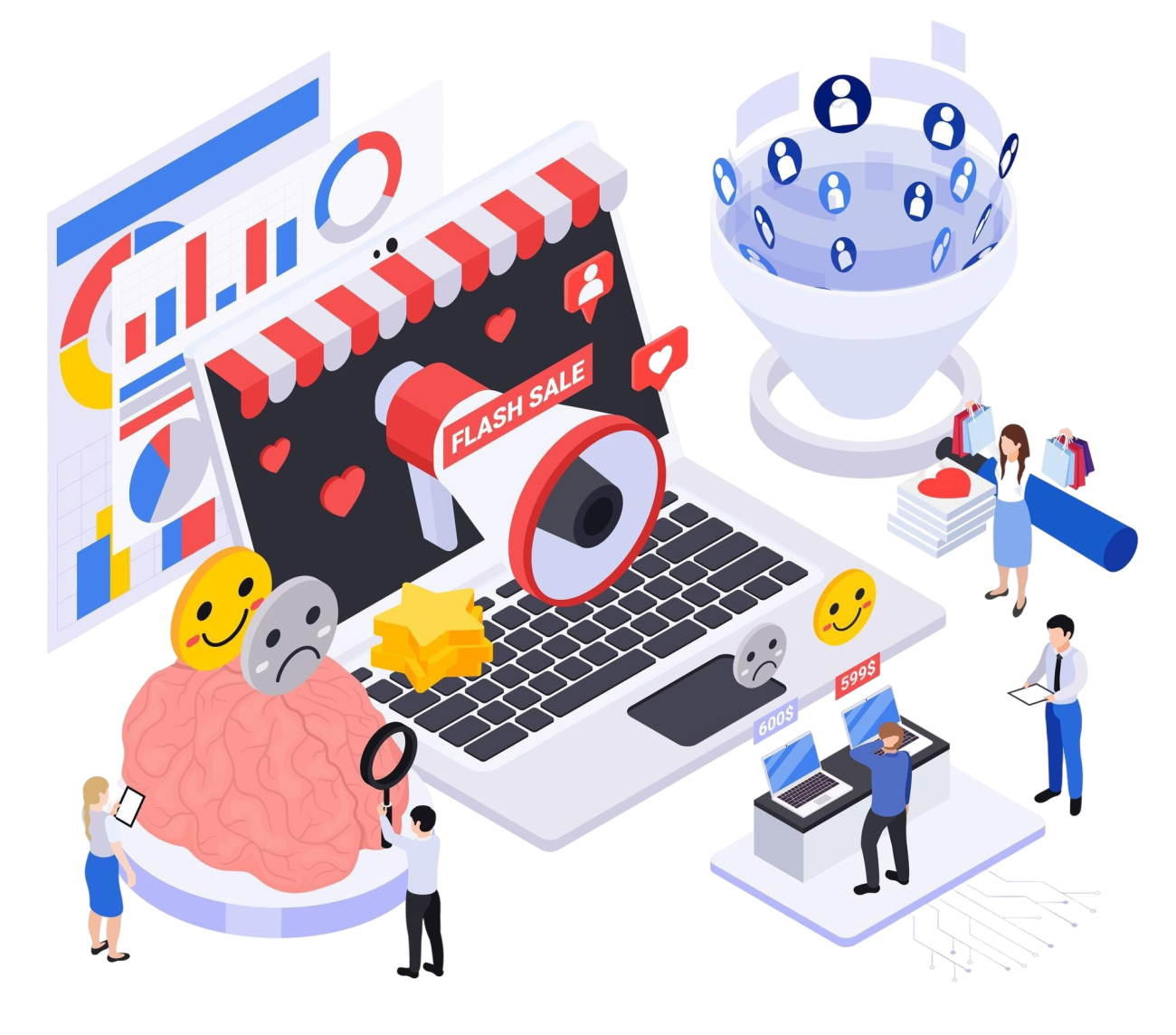
Top Challenges Every E-commerce Startup Faces
Starting an e-commerce business has never been easier. With online marketplaces, social media, and digital payment systems, entrepreneurs can launch a brand with relatively low investment. However, building a successful e-commerce business is far more challenging than simply launching a website. As sales increase, so do customer expectations, operational complexities, and competition. Many startups struggle not because of poor products, but because they fail to build systems that can support long-term growth. In this guide, we'll explore the biggest challenges e-commerce startups face and how businesses can overcome them with the right strategies and support.
10 Common Challenges That Includes
1. High Customer Acquisition Costs
One of the biggest hurdles for e-commerce startups is attracting new customers.
Competition on platforms like Google, Meta, and marketplaces continues to grow, driving up advertising costs.
Common challenges include:
- Rising cost per click (CPC)
- Increasing customer acquisition cost (CAC)
- Lower ad profitability
- Difficulty standing out in crowded markets
The solution is to focus not only on acquiring customers but also on retaining them through exceptional customer experiences.
2. Managing Customer Support at Scale
As orders increase, so do customer inquiries.
Customers expect:
- Instant responses
- Order updates
- Refund assistance
- Return support
- Personalized communication
Without a structured support system, founders often spend more time answering queries than growing the business.
Outsourcing customer support or building dedicated support operations helps businesses scale efficiently without overwhelming internal teams.
3. Order Fulfillment and Delivery Challenges
Fast and reliable delivery has become a competitive necessity.
Common operational issues include:
- Delayed shipments
- Inventory mismatches
- Failed deliveries
- Return-to-Origin (RTO) orders
- Poor communication during delivery
Customers judge brands based on the complete buying experience—not just the product itself.
4. Increasing Return and Refund Requests
Returns are part of every e-commerce business.
However, poor return management often results in:
- Negative reviews
- Lost customer trust
- Higher operational costs
- Reduced repeat purchases
A transparent, customer-friendly return process strengthens long-term loyalty.
5. Building Customer Trust
Customers cannot physically interact with products before buying online.
Trust becomes one of the biggest purchasing factors.
Businesses build trust by offering:
- Responsive customer support
- Transparent policies
- Fast issue resolution
- Secure payment options
- Positive customer reviews
Every customer interaction contributes to brand credibility.
6. Founder Burnout
Many startup founders manage:
- Marketing
- Customer support
- Operations
- Hiring
- Vendor management
- Order fulfillment
Eventually, growth becomes difficult because founders spend most of their time solving operational problems.
Delegating repetitive tasks through automation and BPO allows founders to focus on strategy and expansion.
7. Scaling Without Increasing Costs
Hiring more employees isn't always the answer.
Successful startups build scalable systems using:
- Process automation
- CRM platforms
- AI-powered workflows
- Customer support outsourcing
- Standard Operating Procedures (SOPs)
These systems allow businesses to grow without proportionally increasing operational expenses.
8. Delivering Consistent Customer Experience
Customers compare every brand to industry leaders like Amazon, Blinkit, and Zepto.
They expect:
- Fast responses
- Real-time updates
- Easy returns
- Personalized communication
- Consistent service
Customer experience has become one of the strongest competitive advantages for modern e-commerce brands.
9. Managing Seasonal Demand
Festive sales and promotional campaigns can dramatically increase order volumes.
Without scalable support systems, businesses often experience:
- Slow response times
- Missed customer queries
- Delayed order processing
- Increased customer dissatisfaction
Businesses need flexible operations that can quickly adapt during peak demand.
10. Turning First-Time Buyers into Loyal Customers
Acquiring a customer is only the beginning.
Long-term success depends on:
- Repeat purchases
- Customer satisfaction
- Personalized support
- Loyalty programs
- Timely follow-ups
Brands that invest in customer retention often achieve higher profitability than those focused only on acquisition.
0 Reviews.